The captain in the family
13 July 2026
The young man standing beside his mother at the Drombeg stones grew up to command ships. In the first months of the war he fought off a Luftwaffe bomber with nothing but his helm, and the London Gazette put his name in print.
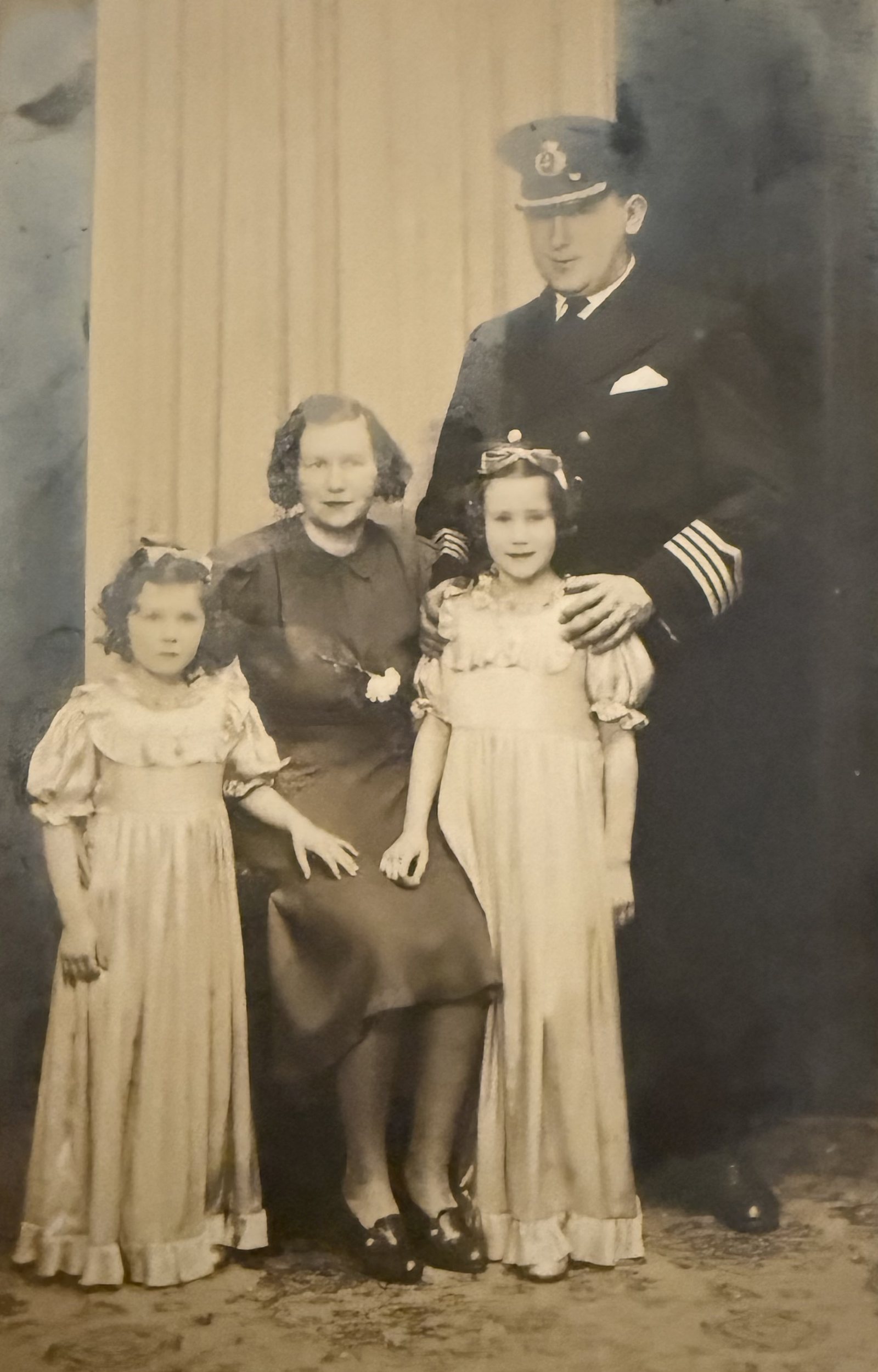
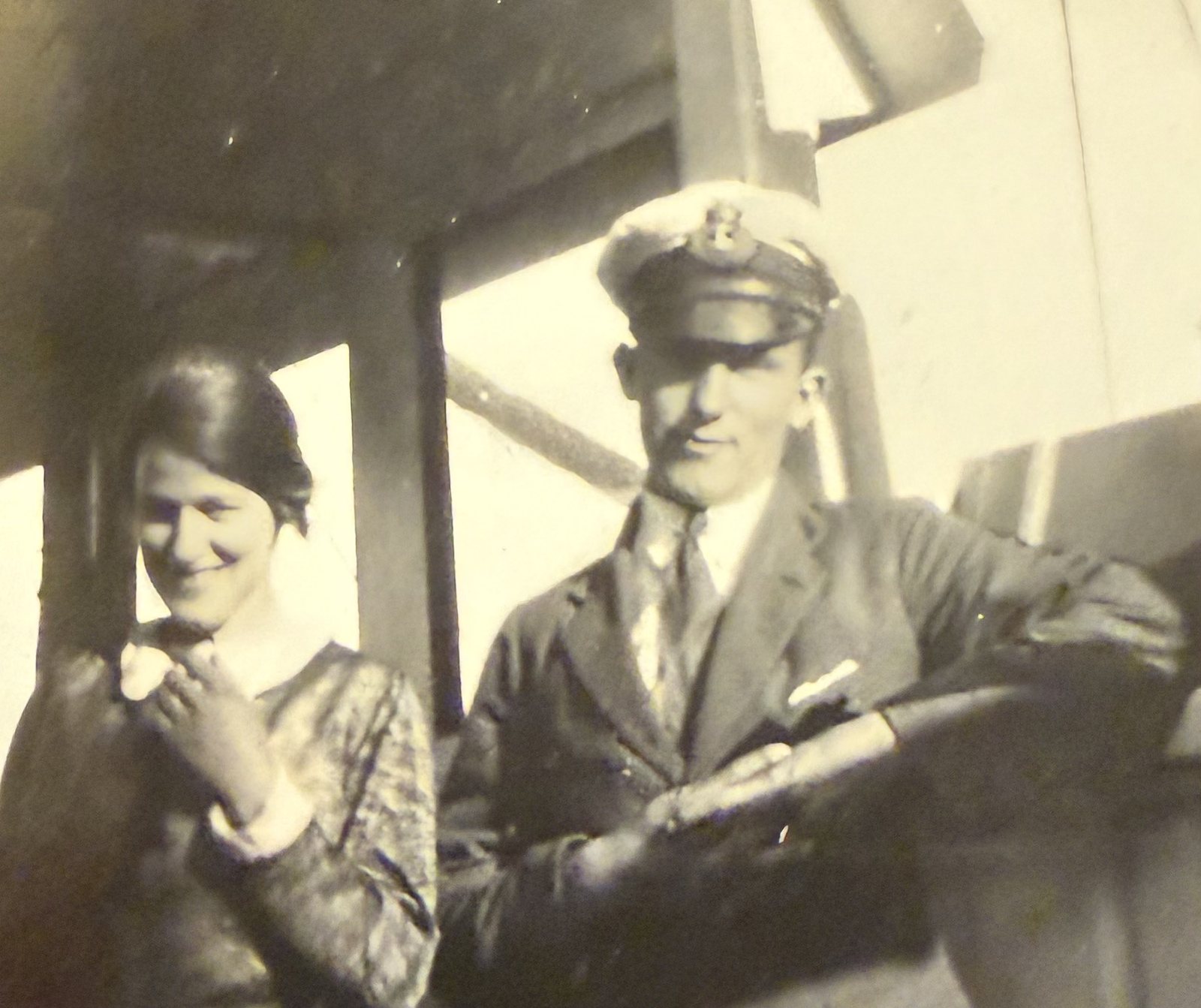
In the Drombeg picnic photograph he is the tall young man beside his mother. His name was Henry Newport Edward Jones, Harry to the family: born at Blackrock outside Cork around 1901, the eldest of the three Jones children, ahead of Alice Dorothy (my grandmother) and Herbert of the famous afternoon tea.
In 1926 the census found him, aged twenty-four, working his father's farm at Drombeg. The farm did not hold him. Harry went to sea and rose to Master Mariner, and in August 1930 he married Mildred Thompson, a music teacher and a shipwright's daughter from Sharpness on the Severn. His brother Herbert stood witness. The wedding was at St Mary's church in Berkeley, Gloucestershire, which delights the researcher in me: Berkeley is a few miles from the tiny hamlet called Damery, though it was the Jones side of the family doing the marrying, and the name on the signpost is, for once, pure coincidence.
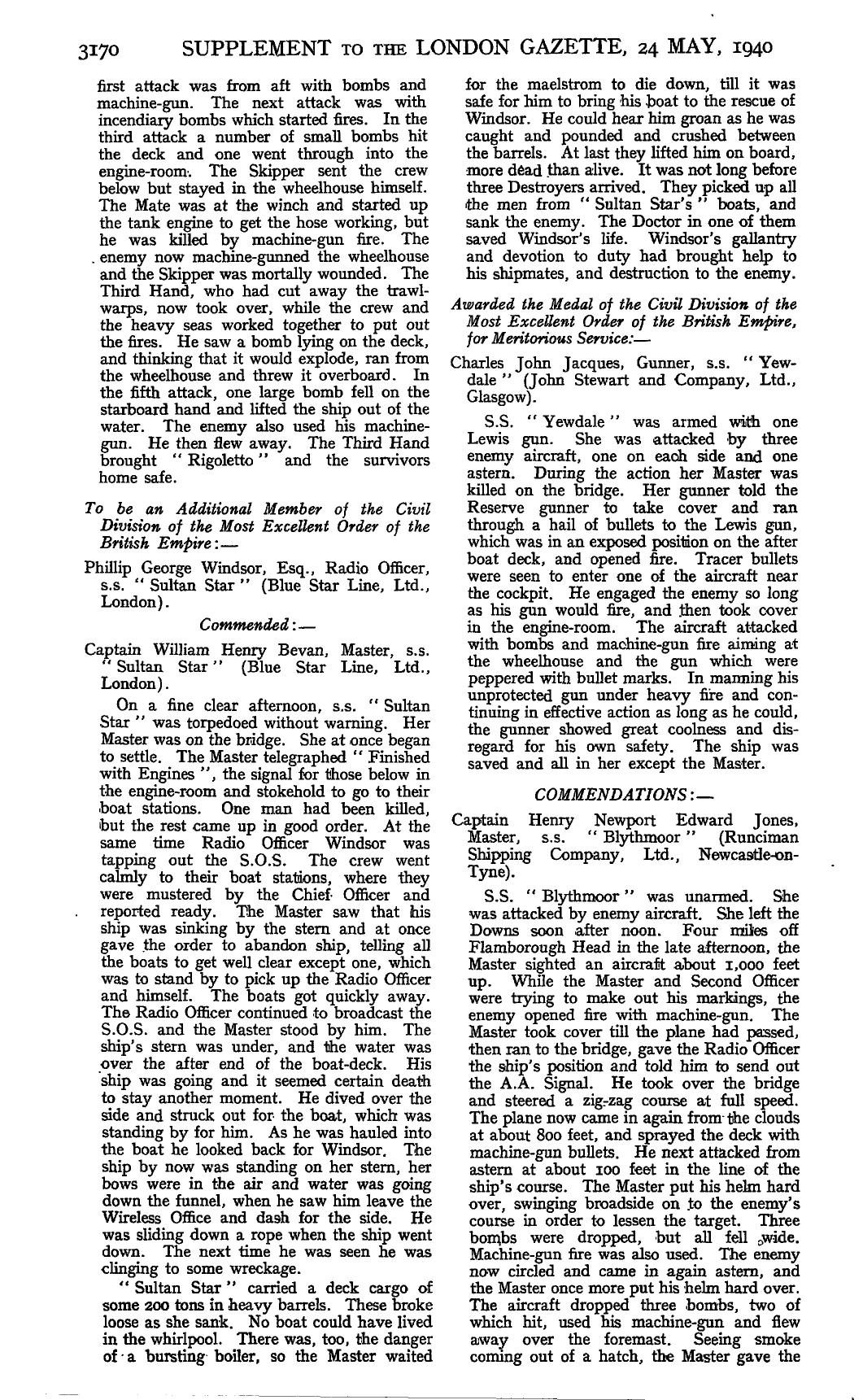
Then came the war. Harry was master of the SS Blythmoor, an iron-ore steamer of the Runciman fleet of Newcastle, and she was unarmed. In the war's first months, four miles off Flamborough Head on a late afternoon, a German aircraft dropped out of the sky and opened up with its machine gun while Harry and his second officer were still trying to make out its markings. What happened next is set down in the supplement to the London Gazette of 24 May 1940, and the family keeps the page. Harry gave his radio officer the ship's position, ordered the attack signal sent, took the bridge himself, and worked her at full speed in zig-zags. The bomber came back at eight hundred feet and sprayed the deck; it came back again at a hundred feet, dead astern, and Harry threw the helm hard over, swinging his ship broadside-on to shrink the target. Three bombs missed. The aircraft circled and came in astern once more; once more the helm went hard over. Two bombs of the next three hit, and with smoke rising from a hatch Harry ordered the crew to stand by the boats and kept his ship at full speed. The bomber circled and came up astern one final time; one final time the helm went hard over, and the enemy gave it up and flew away into the clouds. Then, in the Gazette's own words, the Master "resumed his course and brought his ship safely to port." His name went into print under the heading COMMENDATIONS.
The ship's own story ended soon after, and it is where the family memory kept a half-truth. The Blythmoor was in Narvik harbour when the Germans seized it in April 1940, and she was sunk there in the first battle of the fjord, her crew marched over the mountains into Sweden. But by then she had another master; the record suggests Harry had left her before the Norway run. The family remembered Harry and Narvik in the same breath because his ship died there. Harry's luck, and perhaps his family's, is that he did not share the voyage.
He stayed with the sea, and died in 1952, barely into his fifties. If you sailed with the Runciman boats, or know the merchant navy records of those years, I would love to hear from you.