One Breton father
23 August 2026
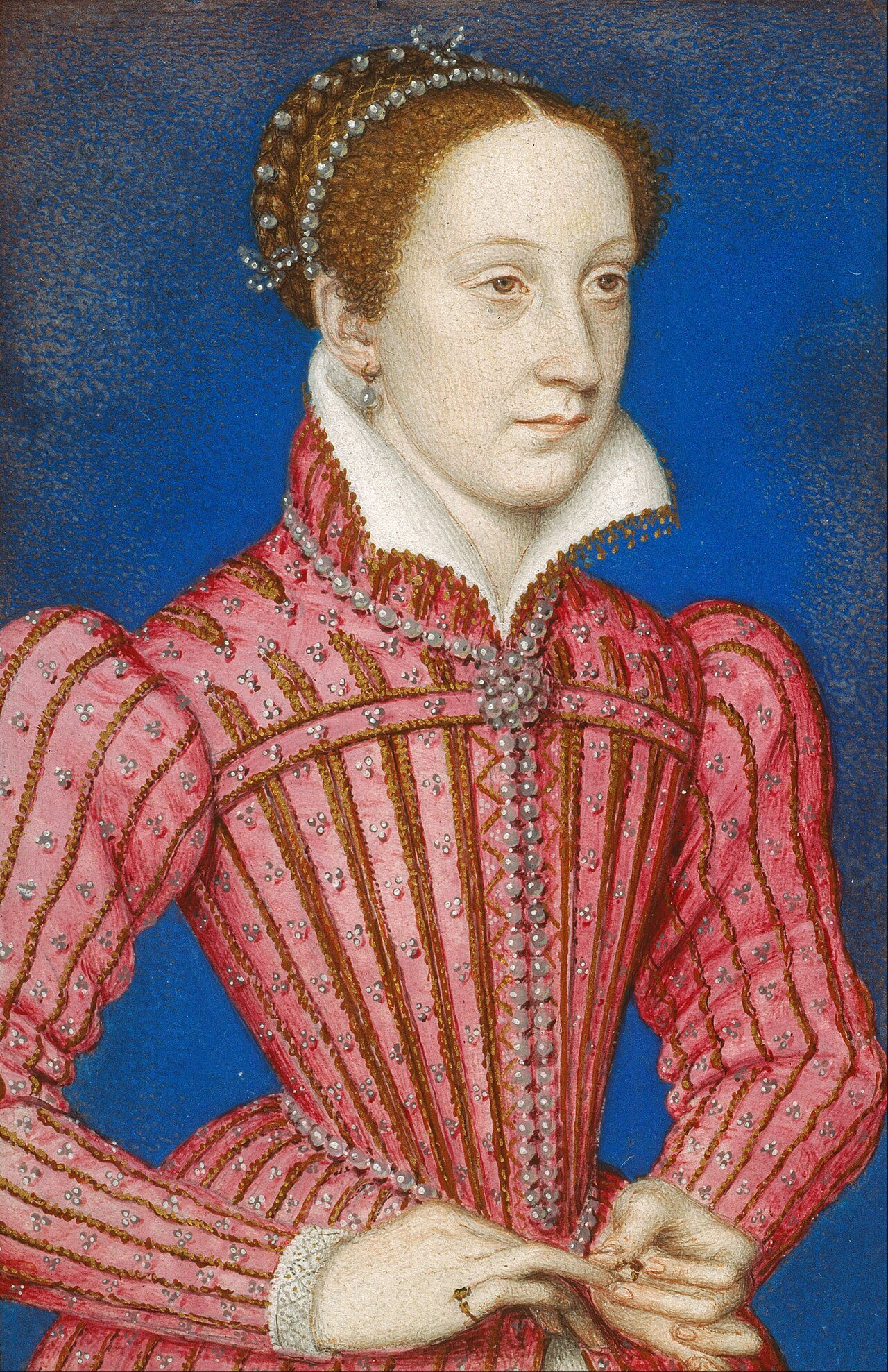
A quiet Breton knight named Alan fitz Flaald turns out to stand behind both an English earldom in this family's line and the whole royal House of Stuart. Mary Queen of Scots is a cousin now, and so is every Stuart king.
Some ancestors matter for what they did. Alan fitz Flaald matters for what his sons became.
He was a Breton lord from Dol who crossed with the Norman kings and was given Oswestry on the Welsh border, a respectable but hardly spectacular fortune, and if he is remembered at all outside pedigrees it is faintly. But his sons divided a remarkable inheritance between them. From the elder, William FitzAlan, descend the FitzAlan Earls of Arundel, and that is this family's road: the FitzAlan blood comes down the ladders to the de Veres and so to here. From the younger, Walter, who went north and was made Steward of Scotland, came the family that took its office for a surname: the Stewards, the Stewarts, the Stuarts.
Which means the arithmetic of cousinship now reads as follows. Robert the Bruce's descendants married into Walter's line and produced the Stewart kings of Scots; the Stewart kings of Scots produced James VI, who became James I of England; and every Stuart monarch after him, Charles I, Charles II, James II, Mary, Anne, follows. All of them descend from Alan fitz Flaald. So does this family, by the other son. The whole royal House of Stuart, Mary Queen of Scots included, are cousins: distant, documented, and arrived at through a man most histories skip past in a line.
One Breton father, one English earldom, one line of kings, and a farmhouse in Cork at the end of the other branch. The research keeps finding that the grandest structures in these islands stand on the quietest foundations. The line is drawn in The Royal Houses.