The bride-ale
18 October 2026
The September research wired in a married couple whose wedding reception was a war. Ralph de Gael and Emma FitzOsbern, whose bridal feast at Exning in 1075 launched the last great revolt against William the Conqueror, both stand in the documented direct line.
The Anglo-Saxon Chronicle, which did not waste words, gave the event a line that still rhymes after nine and a half centuries: there was that bride-ale, that was many men's bale. The wedding it meant is now in this family's tree.
In 1075 Ralph de Gael, Earl of East Anglia, a Breton lord holding an English earldom, married Emma, daughter of William FitzOsbern. The king was in Normandy and had, by most accounts, refused permission for the match. The wedding party at Exning went ahead anyway, and somewhere between the toasts the guests, who included the Earls of Hereford and Northumbria, talked themselves into overthrowing William the Conqueror. It went as badly as such plans usually do. The revolt collapsed within months, Waltheof of Northumbria, whose story this Journal has already told, went to the block for it, and Ralph fled to Brittany.
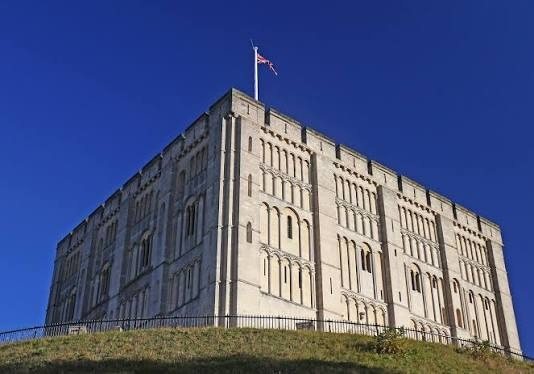
What makes the story worth more than its punchline is Emma. Nineteen or so, weeks married, she did not flee anywhere: she held Norwich Castle against the king's army through a three-month siege, and held it well enough to negotiate safe passage to Brittany for the garrison and herself. Twenty years later the couple took the cross together on the First Crusade, and neither came home: both died on the road east. A wedding that began a rebellion and a marriage that ended on crusade, and in between, a castle held by the bride.
The family's road runs through their daughter Amice de Gael, who married into the Beaumont earls of Leicester and so folds this line back into the tree's great crossroads at Isabel de Vermandois. And behind Emma stands her father, William FitzOsbern, the Conqueror's closest friend and the man who did most to argue him into invading England in the first place: dead at Cassel in 1071, four years before his daughter's wedding made his son-in-law a rebel. The rungs are graded and sourced in the notes, as always, and the line is drawn on the tree.