The prize
22 July 2026
My father spent ten years hunting a thousand-year pedigree and never found it. This week, thirty-odd years after he started and two years after he died, it arrived: documented at every rung, up the other side of the tree.
Regular readers know the shape of this family's research: a rare name, a father's decade of hunting, boxes in a garage, and a rule set before the first envelope was opened. Nothing becomes true just because we want it to be. The rule has mostly worked by demolition. It took down the Lane grandeur. It unmarried the founder of Drombeg three weeks after we married him. It has earned its keep as a wrecking tool.
This week it built something instead.
Two days ago I wrote here that the Hunts' claimed descent from the de Veres, Earls of Oxford, "has never been proven", and that we told it as a legend. That was true on Monday. On Monday evening the printed Visitation of Essex gave up the de Veres' own pedigree with "Janne uxor Hen. Hunt of Gosfeild" sitting in it, recorded from the earls' side of the family, where no Hunt vanity could reach. On Tuesday I bought, for less than a takeaway, the will of John de Vere, sixteenth Earl of Oxford, made in 1562, and read my ancestor's name in her uncle's bequests: forty pounds to Jane, payable at her marriage. She married Henry Hunte at Gosfield eleven years later. A third document, a 1531 estate pedigree asleep in a Cornish archive, had listed her father among the fifteenth Earl's children while he was still a boy. Three archives, three centuries of paper, one girl. Proven.
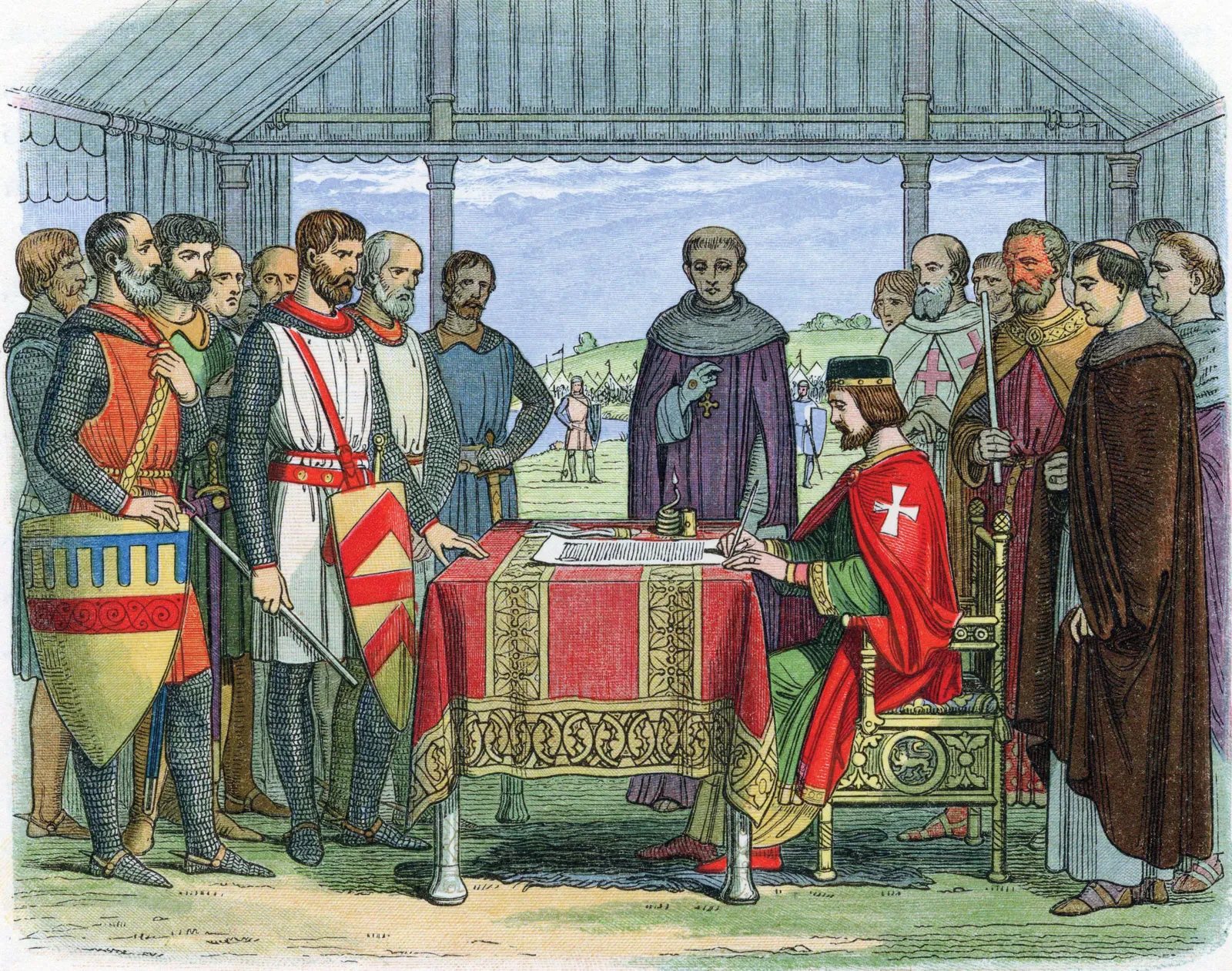
And above Jane, the ladder simply keeps climbing, because the Earls of Oxford wrote everything down: her great-great-great-grandfather was Richard de Vere, the eleventh Earl, who commanded at Agincourt; further up stands the seventh Earl who fought at Crecy and Poitiers, the third Earl who was a surety baron of Magna Carta, the Master-Chamberlain slain in a London riot in 1141, and, on the last rung, Aubrey de Vere the Domesday tenant, planter of the Hedingham vineyard, where we keep Cokayne's honest caution forever. The whole story is now Chapter 22 of the living edition. The home page of this site said "eight centuries" until this morning. It says nine now.
I want to end with my father. Norman Damery began this hunt in the early 1990s with photocopies and airmail, wanting one thing: the unbroken line, the name carried from the Conquest to Cork. He never got it, and the wanting sometimes led him astray, and the first thing I did with his boxes was build a rule against the wanting. The joke, and I think he would laugh, is that the prize was real the whole time. It just wasn't where he was looking, and it could only be reached by the rule he could never quite hold to. The line runs from the Conqueror's grant to a girl's forty pounds to a Limerick wedding to a Cork kitchen table where a ten-year-old was told, over tea, that the family came over with the Conquest.
We did, Dad. Wrong side of the tree, right side of the records. Audentior ito.