Damory blood after all
15 November 2026
For as long as this family has written its history down it has claimed the Damorys. This week the claim came true, by a road nobody had looked down.
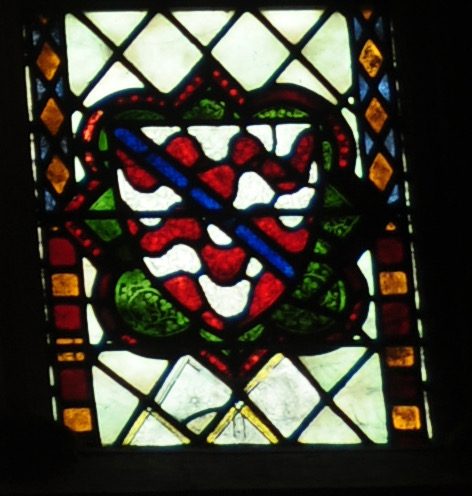
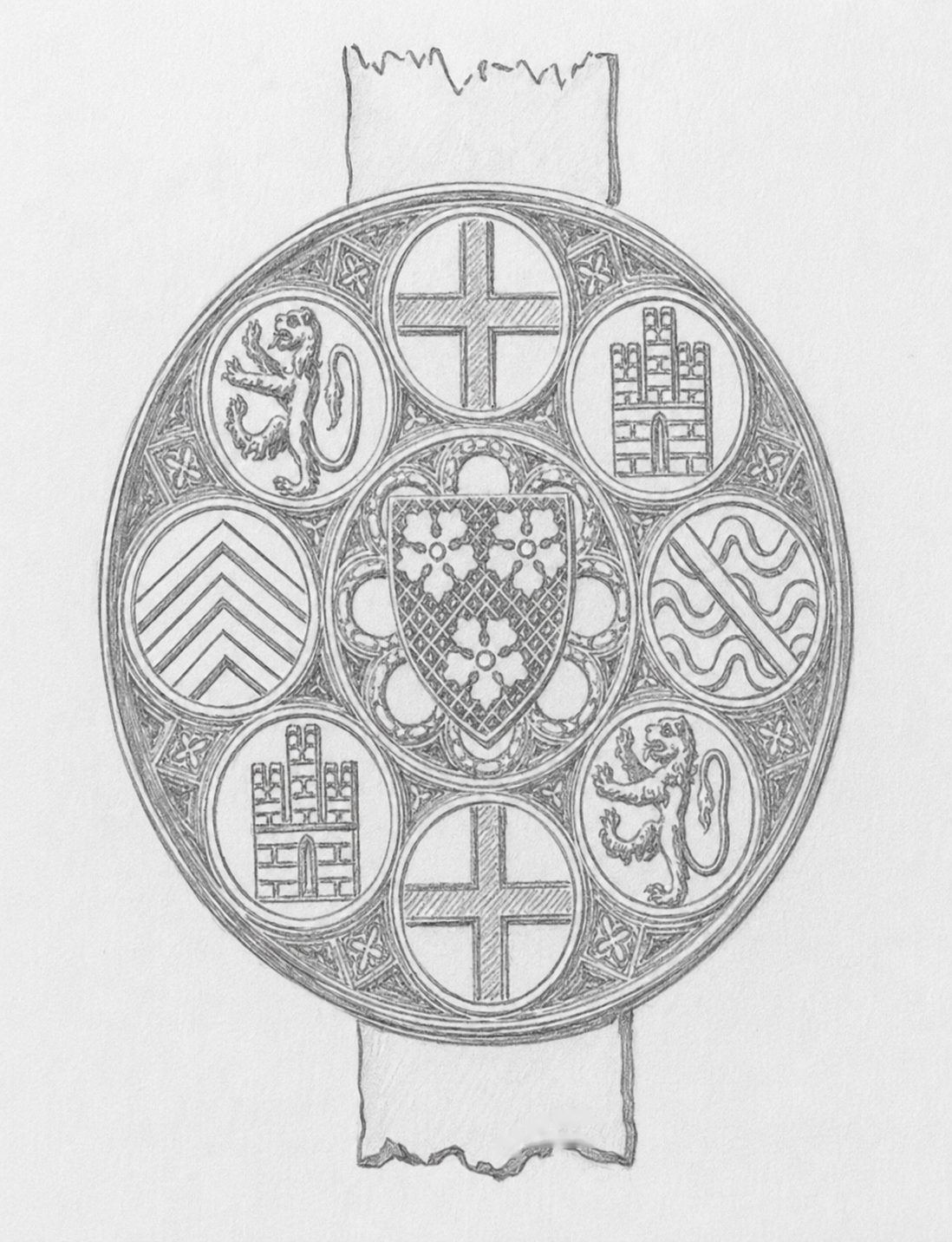
My father began looking for the Damerys in the early 1990s. The old family histories pointed at the Damorys of Oxfordshire, and above all at Roger, Lord Damory, who married a niece of Edward II and died a rebel in 1322. The name was nearly ours, and the histories said the blood was too.
I have spent a good part of this year showing that they could not prove it. The male line of the Damorys failed in 1375. Nothing joins the Damerys of Bandon to them. On this site I have called Roger Damory kin by marriage and nothing more.
This week that changed. I am descended from Roger Damory. He is my 20× great-grandfather, and every link between us is documented.
The road
The descent comes through my father's mother, Alice Dorothy Jones of Drombeg. The route could be called circuitous, but every step has been verified. It runs like this.
Roger Damory and Elizabeth de Clare had one child, Elizabeth Damory, born in May 1318. She was married as a girl to John, Lord Bardolf of Wormegay in Norfolk. Their son William, Lord Bardolf, had a daughter Cecily, who married Sir Brian Stapleton of Ingham and was buried there in 1432 under a brass with her father's arms on it.
From Ingham the line stays in Norfolk and Suffolk for five generations: Stapleton, Calthorpe of Burnham Thorpe, Drury of Hawstead, Jerningham of Somerleyton, Cornwallis of Brome. Anne Jerningham, Lady Cornwallis, was a lady of the privy chamber to Queen Mary. Her daughter Alice married Richard Southwell, and their son Sir Thomas Southwell was sent to Ireland by James I for the plantation of Munster. He settled at Polylong in County Cork and died in 1626.
That is how the blood came to Ireland. Sir Thomas's daughter Elizabeth, Lady Dowdall, held Kilfinny Castle against a siege in 1642 and wrote her own account of it. Her daughter married Sir Hardress Waller, one of the judges of Charles I. Their granddaughter Mary Waller married Thomas Evans of Miltown Castle in 1722. Mary's daughter Dorothy married Thomas Lucas of Richfordstown, and Dorothy's daughter Dorothea married Richard Smyth of Castle Downeen in 1788.
From there I knew the way already. Richard Smyth's son was the Rev. John Richard Smyth, Rector of Tullagh. His daughter Eliza Hester married Harry Jones of Drombeg at Glandore on the last day of 1861. Their son Richard was my great-grandfather.
Behind Roger
Roger was a younger son. His family had held Bucknell in Oxfordshire since at least the 1130s, and the line is on record back to Robert Damory, who made a gift to Godstow Nunnery about 1138. That is seven more generations, each one named in the charters of Godstow, Oseney and Thame. Robert Damory of Bucknell is my 27× great-grandfather.
Roger's wife matters as much as he does. Elizabeth de Clare was a granddaughter of Edward I. She outlived three husbands, was imprisoned at Barking after Roger's death and made to give up her Welsh lands, and in 1338 she founded the Cambridge college that still carries her name.
What it means
The old histories were right. The Damorys are my ancestors, and the thirty generations are set out one by one on the Damory descent.
One question is left where it was. The descent reaches me through my grandmother's family, so it does not tell me who the first Damerys of Bandon were, or how they came by the name. That search goes on.
My father died in 2023. He would have liked this one.