The sixth crown, and it is Irish
26 July 2026
The tree reached a fifth crown last week. This week it reached a sixth, and of all of them this is the one an Irish family would have wished for first: Brian Boru, High King of Ireland, a documented ancestor at last, up the O'Briens of Thomond.
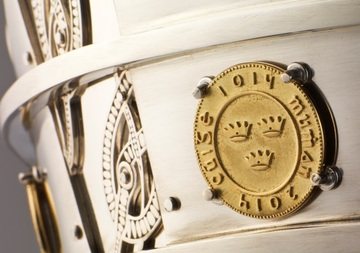
Last week the family reached five crowns, and I showed you the two royal doors that turned out to be locked. This week the research opened a sixth, and of all of them this is the one an Irish family would have wished for first: Brian Boru.
The way in is a single marriage, and it doubles a name already on the tree. Diarmait Mac Murchada, King of Leinster, the man who brought the Normans into Ireland, reached this family through his daughter Aoife, whom he married to Strongbow at Waterford in 1170. What the O'Brien pedigrees now add is that Aoife was not his only daughter in our line. His elder daughter, Órlaith, married Donal Mór O'Brien, the last King of North Munster, and through her I descend from Diarmait a second time, by a second daughter, down the other great royal house of medieval Ireland.
Donal Mór founded the cathedral on the Rock of Cashel and made his submission to Henry II on the banks of the Suir. Behind him the O'Brien line runs king by king and prince by prince, through the Thomond of the carved abbey tombs, up to the name the whole family carries: Brian Boru. High King of Ireland, chief of the Dál gCais, born about 941 at Kincora above the Shannon, who broke the Norse power at Clontarf on Good Friday 1014 and fell in his tent at the moment of victory. His name is the reason there are O'Briens at all, "descendant of Brian", and he stands now in this family's direct line, all the way down to Lady Honora O'Brien, who married a Baron Kerry about 1594 and carried the blood into the ladder the Piers of Tristernagh already climbed.
The line to him is set out generation by generation in the old O'Brien pedigrees and the Irish annals, and it is backed by something the annalists never had: the O'Brien Y-DNA study, which numbers the same descent from Brian Boru down, and carries the marker the male line still bears. It is about as firm as a thousand-year Irish descent will ever be.
And the Leinster side has a deep climb of its own. Through Órlaith's mother, Sadb of the Uí Faeláin, the line runs up the Uí Dúnlainge kings of Leinster from their seat at Naas, king after king, to Dunlaing mac Enda Niada, the founder of the whole dynasty, said to have lived in the days of Saint Patrick in the late fifth century. That is the deepest the documented tree now reaches, on any side, Irish or English.
My father spent ten years hunting a thousand-year line under the Damery name, and it stayed out of reach. It stays out of reach still. But the thousand-year line arrived anyway, up the Irish side of the house, past the Normans he never forgave, to the High King who fought them. The family did not have to choose between its Irish blood and its English descents. It owned both, one blood, long before the name it carries was ever heard in Bandon.
The whole of it is told in Chapter 25 of the living edition, and drawn crown by crown in The Royal Descent.